
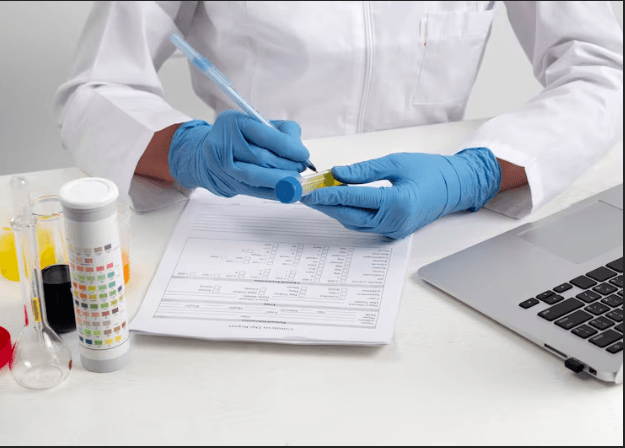
Workplace drug testing is a critical component of maintaining safety, productivity, and regulatory compliance-especially in a major employment hub like Houston. For employers navigating state and federal requirements, understanding the distinction between DOT and Non-DOT drug testing is essential. At Optimal Lab Test, we help Houston businesses implement compliant and efficient testing programs tailored to their industry needs. Whether you operate a transportation fleet, construction company, healthcare facility, or corporate office, knowing the differences between DOT vs Non-DOT drug testing can protect your company from liability and ensure a safer workplace.
Understanding DOT Drug Testing
DOT drug testing is federally regulated and applies to safety-sensitive industries. Employers in these sectors must strictly follow federal guidelines established by the U.S. Department of Transportation.
The DOT testing program is governed by 49 CFR Part 40, which outlines how drug and alcohol testing must be conducted. It applies to employees in industries such as:
- Federal Motor Carrier Safety Administration (FMCSA)
- Federal Aviation Administration (FAA)
- Federal Railroad Administration (FRA)
- Federal Transit Administration (FTA)
- Pipeline and Hazardous Materials Safety Administration (PHMSA)
- United States Coast Guard (USCG)
Key Features of DOT Drug Testing
Before implementing a DOT program, employers should understand its structured requirements:
- Mandatory testing for safety-sensitive positions
- Strict chain-of-custody procedures
- Testing limited to specific drug panels
- Observed collections in certain scenarios
- Random testing percentages set annually
- Certified laboratories and Medical Review Officers (MROs) required
Houston employers operating commercial vehicles or transportation services must comply with DOT testing regulations to avoid severe penalties and fines.
Understanding Non-DOT Drug Testing
Non-DOT drug testing, on the other hand, is not federally regulated. It is designed for employers who want to maintain a drug-free workplace but are not bound by DOT requirements.
Unlike DOT testing, Non-DOT programs offer flexibility. Houston employers can customize policies based on company goals, risk levels, and industry standards.
Key Characteristics of Non-DOT Drug Testing
Employers choosing Non-DOT testing benefit from more flexibility in designing their programs:
- Customizable drug panels
- Flexible testing frequency
- Broader testing methods (urine, hair, saliva)
- Company-specific policies
- Less rigid documentation requirements
Many Houston companies use Non-DOT testing for pre-employment screening, random testing, post-accident testing, or reasonable suspicion cases. If you’re searching for a reliable lab drug test near me in Houston, choosing the right testing type ensures compliance and accuracy.
Major Differences Between DOT and Non-DOT Drug Testing
Understanding the core differences helps employers determine which program applies to their workforce.
Although both types aim to ensure workplace safety, they differ significantly in regulation, structure, and consequences.
1. Regulatory Authority
DOT testing is federally mandated and must comply with Department of Transportation regulations. Non-DOT testing is governed by company policy and Texas state laws.
2. Drug Panels
DOT testing requires a standard 5-panel test, which includes:
- Marijuana (THC)
- Cocaine
- Amphetamines
- Opiates
- Phencyclidine (PCP)
Non-DOT testing can include expanded panels such as benzodiazepines, barbiturates, synthetic opioids, and more.
3. Consequences of Positive Results
DOT violations require mandatory reporting to the Clearinghouse and a return-to-duty process. Non-DOT consequences depend on employer policy.
4. Documentation and Procedure
DOT programs require strict documentation, chain-of-custody forms, and certified labs. Non-DOT procedures are more flexible but must remain legally defensible.
Who Needs DOT Drug Testing in Houston?
Not all businesses require DOT testing. However, employers with safety-sensitive roles under federal oversight must comply.
Houston industries commonly requiring DOT drug testing include:
- Commercial trucking companies
- Public transportation providers
- Aviation services
- Oil and gas pipeline operators
- Maritime operations
If your employees operate commercial motor vehicles requiring a CDL, DOT compliance is mandatory.
When Should Employers Use Non-DOT Drug Testing?
Non-DOT testing works well for companies outside federal safety-sensitive regulations but still committed to maintaining a drug-free environment.
Houston employers often use Non-DOT testing for:
- Pre-employment screening
- Random workforce testing
- Post-accident investigations
- Reasonable suspicion cases
- Return-to-work programs
This flexibility allows employers to design programs aligned with their internal risk management strategies.
Drug Testing Methods Available
Both DOT and Non-DOT programs may use different specimen collection methods, although DOT typically mandates urine testing.
Understanding testing methods helps employers choose what fits their needs.
Urine Testing
- Most common method
- Required for DOT
- Detects recent drug use
Hair Testing
- Detects long-term drug use (up to 90 days)
- Common in Non-DOT programs
Saliva Testing
- Detects recent drug use
- Less invasive
Blood Testing
- Highly accurate
- Typically used in post-accident scenarios
Employers often integrate additional testing services such as alcohol screening or even identity verification testing. Some organizations also require background verification services like dna test houston for legal and personal verification purposes when applicable.
Legal Considerations for Houston Employers
Texas allows employers to implement workplace drug testing programs, but policies must be clear, consistent, and non-discriminatory.
To minimize legal risks:
- Create a written drug-free workplace policy
- Apply testing procedures uniformly
- Maintain confidentiality
- Ensure ADA compliance
- Partner with certified laboratories
DOT-regulated employers must strictly adhere to federal law, while Non-DOT employers should consult legal counsel to ensure policies align with Texas labor laws.
Benefits of Implementing a Drug Testing Program
A properly structured drug testing program provides numerous advantages beyond compliance.
Houston employers can benefit from:
- Reduced workplace accidents
- Lower workers’ compensation claims
- Improved employee productivity
- Stronger workplace safety culture
- Reduced turnover
- Better public reputation
For transportation and logistics companies operating in Houston’s high-traffic corridors, safety is not just a policy—it’s a necessity.
How to Choose the Right Testing Partner
Selecting the right testing provider ensures accuracy, compliance, and professionalism.
When evaluating a provider, look for:
- Certified laboratories
- Experienced Medical Review Officers
- Fast turnaround times
- Clear reporting systems
- Knowledge of DOT regulations
- Transparent pricing
Houston employers should work with providers who understand both federal DOT requirements and Texas employment laws.
Common Mistakes Employers Make
Even well-intentioned employers can make compliance errors.
Avoid these common mistakes:
- Misclassifying DOT vs Non-DOT employees
- Using the wrong drug panel
- Failing to maintain documentation
- Not conducting supervisor training
- Ignoring random testing percentages
- Applying policies inconsistently
Compliance errors can lead to fines, lawsuits, or federal penalties.
Creating a Drug-Free Workplace Policy
Every Houston employer implementing testing should establish a written policy before conducting tests.
A strong policy should include:
- Purpose of testing
- Employee categories covered
- Testing circumstances
- Disciplinary procedures
- Confidentiality guidelines
- Return-to-duty processes
Clear communication prevents misunderstandings and legal complications.
Frequently Asked Questions (FAQ)
1. What is the main difference between DOT and Non-DOT drug testing?
DOT testing is federally regulated for safety-sensitive industries, while Non-DOT testing is employer-driven and more flexible.
2. Is marijuana tested in Houston workplaces?
Yes. DOT testing includes marijuana, regardless of state legalization trends. Non-DOT employers may also include THC in their testing panels.
3. How often is random DOT testing required?
Random testing percentages are set annually by the Department of Transportation and must be strictly followed.
4. Can Houston employers conduct random Non-DOT testing?
Yes, provided the policy is clearly documented and applied consistently.
5. What happens if an employee fails a DOT drug test?
The employee must complete the return-to-duty process with a Substance Abuse Professional before resuming safety-sensitive duties.
Conclusion
Understanding the differences between DOT and Non-DOT drug testing is essential for Houston employers seeking to maintain compliance, reduce liability, and promote workplace safety. Whether your organization falls under federal transportation regulations or simply wants to maintain a drug-free workplace, choosing the right testing structure is critical. Optimal Lab Test provides reliable, compliant, and efficient drug testing solutions tailored to Houston businesses of all sizes. If you’re ready to implement or upgrade your testing program, contact us today to ensure your workplace remains safe, compliant, and protected.