
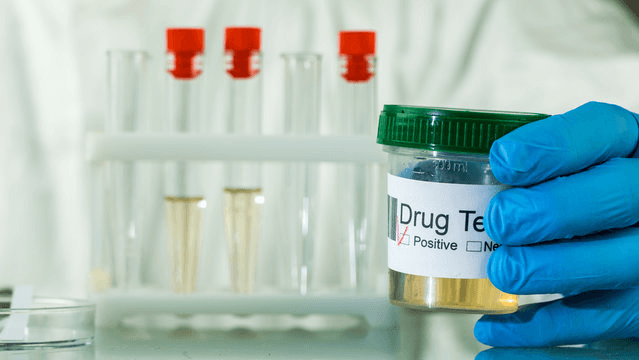
Drug screening can play an important role in workplace safety, personal health decisions, and situations where individuals need reliable information about recent substance exposure. For employers and individuals in Houston, understanding the available testing options can make it easier to choose an appropriate screening method and understand what different tests can and cannot detect. Optimal Lab Test provides access to laboratory testing options designed to help individuals and organisations make informed decisions about their testing needs.
What Is Drug Testing?
Drug screening involves analysing a biological sample to identify specific drugs, drug metabolites, or other substances. Depending on the test selected, samples may include urine, hair, saliva, or blood.
The purpose of a test can vary considerably. Employers may use workplace screening programs to support safety requirements, while individuals may seek testing for personal, legal, medical, or other reasons.
Drug screening does not automatically indicate impairment at the time a sample is collected. Instead, the result generally indicates whether particular substances or their metabolites were detected according to the test's analytical thresholds.
Understanding this distinction is important because detection windows vary between substances, testing methods, dosage, frequency of use, metabolism, and other individual factors.
Why Drug Screening May Be Required
Drug screening can be used in several situations, and the exact requirements depend on the employer, industry, circumstances, and applicable laws or policies.
Common reasons for testing include:
- Pre-employment screening: Some employers require testing as part of the hiring process, particularly for safety-sensitive positions.
- Random workplace testing: Employers may conduct testing according to established workplace policies or applicable regulations.
- Post-incident testing: Certain workplaces may require screening following an accident or safety-related incident when permitted by applicable rules.
- Return-to-duty testing: Employees may be required to complete specific testing before returning to certain positions.
- Personal testing: Individuals may request testing when they want information about possible exposure to a particular substance.
- Legal or administrative requirements: Certain circumstances may involve testing requirements established by courts, agencies, or other authorised entities.
The appropriate testing process depends on why the screening is being requested. A test designed for routine workplace screening may differ from one selected for a specific substance or personal concern.
Understanding Common Types of Drug Testing
Different testing methods provide different advantages, detection windows, and practical considerations. Choosing the right option requires understanding what each sample type is designed to measure.
Drug testing may involve urine, hair, saliva, or blood samples. Each method has characteristics that can make it more appropriate for certain situations.
Urine Drug Screening
Urine testing is one of the most commonly used approaches for employment-related screening. It can detect metabolites associated with various substances and is generally practical for routine testing programs.
The detection period varies depending on the substance and individual factors. Urine tests are often used when the goal is to identify relatively recent substance exposure rather than establish whether someone is impaired at the moment of testing.
Hair Drug Testing
Hair testing can provide a longer historical detection window than many other testing methods. Drug metabolites can become incorporated into growing hair, allowing laboratories to analyse a longer period of potential exposure.
Hair testing may be useful when an organisation or individual needs information covering a more extended timeframe. However, it may not be the preferred method for detecting very recent exposure.
Saliva Drug Testing
Saliva testing uses an oral fluid sample and can be convenient in situations where rapid collection is desirable. Depending on the substance, oral fluid testing generally focuses on a shorter detection period than hair testing.
Because the detection window can vary significantly, the test should be selected based on the purpose of screening rather than convenience alone.
Blood Drug Testing
Blood testing can identify drugs or their metabolites in the bloodstream. It is generally more invasive than urine or saliva collection and may have a relatively short detection window for many substances.
Blood testing can be appropriate when a specific medical or forensic question requires information about substances present in the bloodstream. It is not necessarily the standard option for routine employment screening.
What Substances Can a Drug Screen Detect?
Drug panels vary, so there is no single test that detects every possible substance. The substances included depend on the panel selected and the purpose of testing.
Depending on the specific panel, screening may include substances such as:
- Cannabis metabolites
- Cocaine metabolites
- Amphetamines
- Opioids
- Phencyclidine
- Certain prescription medications or related drug classes
Some specialised panels may include additional substances. Employers should select panels based on legitimate workplace requirements and applicable regulations, while individuals should select testing based on the information they need.
It is also important to understand that a screening result is not always the final answer. Some testing programs use confirmatory laboratory analysis when an initial screening result is non-negative.
Drug Testing for Employment in Houston
Workplace testing can be particularly important in industries where safety, transportation, machinery, or public responsibility are involved. Employers need testing programs that are consistent with their workplace policies and applicable federal, state, and local requirements.
Before implementing an employment screening program, employers should clearly define their testing policy. Employees and applicants should understand when testing may occur, what types of tests may be used, and how results are handled.
Important considerations include:
- Written policies: Employers should establish clear testing policies that explain applicable procedures.
- Consistent application: Testing procedures should be applied consistently according to the organisation's policy and applicable requirements.
- Appropriate test selection: The test should match the purpose and requirements of the screening program.
- Confidentiality: Test information should be handled carefully and shared only with authorised parties.
- Regulatory requirements: Certain industries may have specific federal or state requirements governing workplace drug testing.
Employers should obtain appropriate legal or regulatory guidance when establishing or changing workplace testing procedures.
Drug Screening and Other Personal Health Testing
Individuals sometimes seek drug screening alongside other laboratory testing. Although these tests serve different purposes, understanding the distinction can help people choose the appropriate service.
For example, a person may request hiv std testing when concerned about sexual health while separately seeking a drug screen for another reason. These are different categories of laboratory testing, and one should not be considered a substitute for the other.
Sexually transmitted infection testing may involve blood, urine, swab, or other samples depending on the infection being evaluated. Drug screening, on the other hand, is designed to identify specified substances or metabolites.
People should discuss their concerns with an appropriate healthcare professional or testing provider to determine which tests are relevant. Testing decisions should be based on the individual's circumstances, potential exposure, symptoms, and other relevant factors.
How Long Do Drugs Stay Detectable?
Detection windows are among the most frequently asked questions about drug screening. However, there is no single timeframe that applies to every person or every substance.
Several factors can influence how long a substance or metabolite may be detectable, including:
- Type of substance: Different substances have different metabolic pathways and detection periods.
- Frequency of use: Repeated exposure may produce different detection patterns compared with a single exposure.
- Amount used: The amount and concentration can affect detection.
- Testing method: Urine, hair, saliva, and blood tests have different detection characteristics.
- Individual metabolism: Metabolism varies from person to person.
- Test sensitivity: Laboratory methods and cutoff levels can influence whether a substance is reported as detected.
Because of these variables, online detection charts should be treated as general information rather than a guarantee about an individual's test result.
What Happens During a Drug Screening?
The collection process depends on the type of test ordered. Understanding the basic steps can help reduce uncertainty for individuals completing a screening.
For urine testing, the individual generally provides a sample according to the collection provider's procedures. The sample is then processed according to laboratory protocols.
For oral fluid testing, a collection device is typically used to obtain a sample from the mouth. Hair testing requires an appropriate hair sample, while blood testing involves a blood draw performed by a qualified professional.
After collection, the laboratory analyses the specimen according to the selected test. If required, additional confirmatory testing may be performed before a final result is reported.
Individuals should follow collection instructions carefully. Attempting to alter or interfere with a sample can affect the validity of testing and may result in additional procedures.
How Accurate Are Drug Tests?
Laboratory drug screening is designed to provide analytical information, but no test should be interpreted without considering its methodology and purpose.
Initial screening tests may be designed to identify whether a particular substance class is potentially present. In some circumstances, a non-negative screening result may require confirmatory testing using a more specific analytical method.
Accuracy can also depend on proper specimen collection, handling, laboratory procedures, test selection, and the substances included in the panel.
A test result should therefore be interpreted in context. If an individual receives an unexpected result, discussing the result with the testing provider or an appropriate healthcare professional can help clarify what it means.
Choosing the Right Drug Test
Selecting a testing method should begin with the reason for testing. There is no universally superior method because each type serves different purposes.
For employment screening, organisations may prefer standardised testing methods that fit their workplace policies and regulatory requirements. For personal testing, an individual may need a test designed to identify a specific substance or substance group.
When selecting a test, consider:
- The purpose of testing
- The substance or substances of concern
- The required detection period
- The type of specimen needed
- Whether confirmatory testing may be necessary
- Applicable workplace or legal requirements
- Laboratory collection and reporting procedures
Choosing the appropriate panel can prevent unnecessary testing while ensuring that the screening addresses the actual question being asked.
Preparing for a Drug Screening
Most drug screening appointments require little preparation, but the exact instructions depend on the type of test.
Individuals should carefully follow the provider's collection instructions. If medications or supplements are being taken, it may be useful to provide accurate information when requested. Prescription medications should never be stopped simply because an individual is concerned about a drug test unless instructed by a qualified healthcare professional.
People should also bring any required identification or documentation and arrive prepared to complete the collection process according to the provider's procedures.
For employers, preparation involves establishing clear policies, selecting an appropriate test panel, communicating requirements, and ensuring that collection and reporting procedures are properly managed.
Understanding Drug Screening Results
A drug screening report should be interpreted according to the specific test performed and the laboratory's reporting process.
A negative result generally means the substances included in the test were not detected at or above the applicable reporting threshold. It does not necessarily mean that no substance was ever used.
A non-negative or positive result may indicate that a tested substance or metabolite was detected. Depending on the testing program, confirmatory testing may be required before a final result is established.
It is also important to remember that drug screening generally does not determine whether an individual is currently impaired. Detection and impairment are separate concepts.
Anyone who has questions about a result should seek clarification from the testing provider or an appropriate healthcare professional.
Privacy and Confidentiality in Drug Testing
Privacy is an important consideration whenever laboratory testing involves personal information. Testing providers and employers should handle results according to applicable privacy requirements and established procedures.
Individuals should understand who will receive their results and how their information will be used. Employers should limit access to testing information to authorised individuals and follow applicable laws and workplace policies.
Clear communication can help individuals feel more comfortable with the process and understand what to expect before providing a specimen.
Why Professional Testing Matters
Choosing a reliable testing provider can make the process easier for employers and individuals. Professional testing involves appropriate specimen collection, laboratory analysis, reporting procedures, and attention to privacy.
A reputable provider can also help explain available testing options so that individuals do not select a test based solely on assumptions about detection windows or substance coverage.
For employers, professional testing can support consistent processes and documentation. For individuals, it can provide a structured way to obtain laboratory information relevant to their personal circumstances.
Conclusion
Understanding the different types of drug screens can help employers and individuals make informed decisions about employment screening and personal testing needs. From urine and hair testing to saliva and blood analysis, each method has different applications, detection windows, and considerations. Optimal Lab Test can help individuals and organisations identify appropriate laboratory testing options based on their specific requirements. If you have questions about available testing options or need help choosing an appropriate screening service, contact us today to learn more about the testing solutions available for your needs.
Frequently Asked Questions
1. What is the most common type of drug test for employment?
Urine testing is commonly used for employment-related drug screening. However, the appropriate test depends on the employer's policy, industry requirements, applicable regulations, and the substances being tested.
2. How long can drugs be detected in a drug test?
Detection times vary depending on the substance, frequency and amount of use, individual metabolism, specimen type, and laboratory testing method. There is no universal detection period that applies to everyone.
3. Does a drug test show whether someone is currently impaired?
Generally, drug screening detects specified substances or their metabolites rather than directly measuring current impairment. A positive or detected result should not automatically be interpreted as proof of current impairment.
4. Can prescription medications affect a drug screening result?
Certain prescription medications can potentially affect screening results depending on the medication and test panel. Individuals should provide accurate medication information when requested and discuss unexpected results with the testing provider or healthcare professional.
5. Can employers require drug testing in Houston?
Workplace drug-testing requirements depend on the employer, industry, applicable federal and Texas laws, and the organisation's policies. Employers should ensure their testing programs comply with all applicable requirements and obtain professional legal guidance when necessary.