
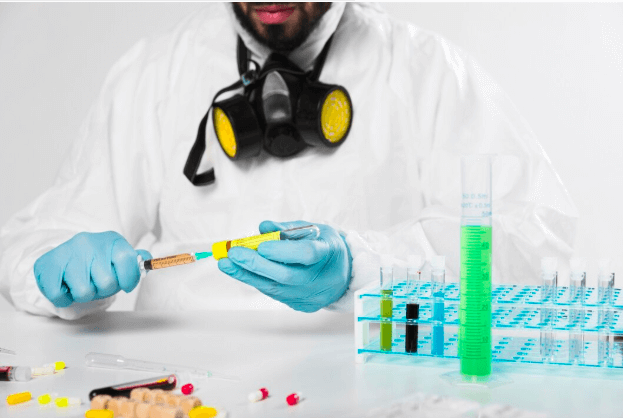
Employee wellness programs continue to evolve as organizations recognize the connection between workplace health, productivity and long-term organizational stability. Many employers now incorporate screening tools that offer deeper insights into health risks, lifestyle patterns and safety concerns. Two such tools gaining attention are DNA testing and drug testing in Houston, both of which support data-driven wellness strategies.
Integrating these testing options into wellness programs allows employers to create safer environments, reduce risks and promote early health awareness. Houston’s diverse workforce and expanding industries make efficient, accurate testing an essential part of workplace planning. This guide explains how employers can integrate these tools effectively, how same day drug screening supports operational efficiency and why DNA testing in Houston TX is becoming a valuable addition to modern wellness programs.
Understanding the Role of Drug Testing in Wellness Programs
Drug testing is traditionally associated with workplace compliance, hiring practices and safety-sensitive roles. However, it now serves a broader purpose. Many workplaces include drug screening within wellness initiatives to identify potential safety risks, provide support through employee assistance programs and maintain a supportive environment.
Common reasons employers include drug testing in Houston wellness programs include:
- Supporting safety goals in physically demanding or high-risk workplaces
- Early identification of substance-related concerns
- Encouraging a consistent and healthy workplace culture
- Meeting regulatory requirements specific to certain industries
- Strengthening accountability and transparency
Drug screening is not used as a tool for punishment within wellness programs. Instead, it functions as part of an overall support system that helps employees access resources and remain productive.
Types of Drug Testing Used in Employee Wellness Programs
Employers can select from several testing methods depending on their wellness program design and compliance requirements.
Urine Drug Testing
This is the most common option due to its ease of collection, broad detection window and suitability for both pre-employment and ongoing screening.
Saliva Testing
Saliva testing is useful for detecting recent substance use and is often used for incident-related testing or quick wellness screenings.
Hair Testing
Hair testing provides a longer detection period and is used when employers want to understand longer-term patterns.
Blood Testing
Blood testing offers precise results but is typically reserved for specific cases that require high accuracy.
Each method plays a unique role within wellness programs depending on the goals of the organization.
How Same Day Drug Screening Supports Wellness Goals
Same day drug screening is a practical solution for workplaces that require fast results. It helps streamline onboarding, reduce delays and support urgent testing needs.
Benefits of same day testing include:
- Immediate access without prior scheduling
- Faster turnaround, reducing disruptions to workflow
- Useful for both pre-employment and ongoing programs
- Supports compliance with time-sensitive regulations
- Allows employers to respond efficiently to incidents
Same day services are particularly useful for industries operating under strict schedules, such as construction, logistics, transportation and healthcare.
The Growing Importance of DNA Testing in Houston TX for Employee Wellness
DNA testing is increasingly being used as a preventive health tool within wellness programs. Unlike traditional screenings, genetic testing provides long-term insights into how an employee’s body responds to diet, stress, exercise and environmental factors.
DNA testing in Houston TX offers information related to:
- Potential genetic risk factors
- Nutritional metabolism
- Fitness-related tendencies
- Stress response
- Sleep patterns
- Recovery potential
Employee wellness programs can incorporate genetic insights to encourage healthier habits and personalized lifestyle modifications.
Employers who adopt DNA testing do so to support long-term well-being rather than to make employment decisions. It is important that DNA testing remains voluntary and confidential, with employees choosing to participate if they find the information helpful.
How Integrating DNA and Drug Testing Improves Workplace Wellness
Both forms of testing contribute differently to workplace health initiatives. When combined, they provide a comprehensive approach to employee well-being and workplace safety.
Safety and Risk Management
Drug screening reduces workplace risks and supports safe operations, particularly in physically demanding or high-risk environments. DNA testing contributes by identifying possible health vulnerabilities that may affect performance or long-term well-being.
Data-Driven Employee Support
Wellness programs benefit greatly from data-driven insights. DNA testing provides genetic information that can help employees understand health tendencies, while drug screening supports safe behavior in the workplace.
Improved Employee Engagement
Employees are more likely to engage in wellness programs when they receive personalized information. Genetic insights help employees connect their daily habits to long-term health outcomes, strengthening participation.
Confidential and Ethical Implementation
Both testing types must follow strict privacy protections. DNA results should never influence employment decisions, and drug testing procedures must adhere to confidentiality protocols. Ethical implementation builds trust and encourages participation.
Practical Ways Employers Can Integrate Both Testing Methods
Below are practical strategies employers in Houston can use when adding both DNA and drug testing into wellness programs:
- Offer Voluntary Wellness DNA Panels: Employees can opt into DNA testing to learn about personal health tendencies.
- Maintain Standardized Drug Testing Policies: Continue to follow regulatory guidelines and workplace safety requirements.
- Use Testing for Educational Programs: DNA insights can help shape workplace fitness programs, nutritional workshops and health awareness sessions.
- Provide Private Access to Test Results: Only employees should have access to their DNA results. Drug screening results should follow strict chain-of-custody and confidentiality standards.
- Ensure Clear Communication: Provide guidelines explaining how testing is used and how it benefits employees.
Comparison Table: DNA Testing vs Drug Testing in Employee Wellness Programs
| Factor | DNA Testing | Drug Testing |
|---|---|---|
| Purpose | Preventive health insights | Safety and compliance |
| Use in Wellness | Long-term lifestyle guidance | Risk mitigation and support |
| Participation | Voluntary | Often required for safety roles |
| Type of Sample | Swab or saliva | Urine, saliva, hair or blood |
| Result Impact | Health awareness | Workplace safety decisions |
| Frequency | Once or occasional | Scheduled or random |
Both types of testing offer different but complementary benefits when integrated into a broader wellness strategy.
Frequently Asked Questions
Is DNA testing required for workplace wellness programs?
No. DNA testing is voluntary and used only for personal health insight. It should never be used for employment decisions.
Why do employers include drug testing in wellness programs?
Drug testing supports safety and compliance, helping reduce risks and maintain a consistent working environment.
How does same day drug screening help employers?
Same-day services reduce delays, support urgent testing needs and help maintain smooth operations.
What can DNA testing reveal in a workplace setting?
DNA testing provides information about genetic tendencies related to health, fitness, nutrition and stress response.
Are employee test results kept confidential?
Yes. Both DNA and drug testing must follow strict confidentiality and privacy guidelines.
Can wellness programs combine DNA and drug testing effectively?
Yes. When used ethically and confidentially, both methods support a comprehensive approach to employee well-being and workplace safety.