
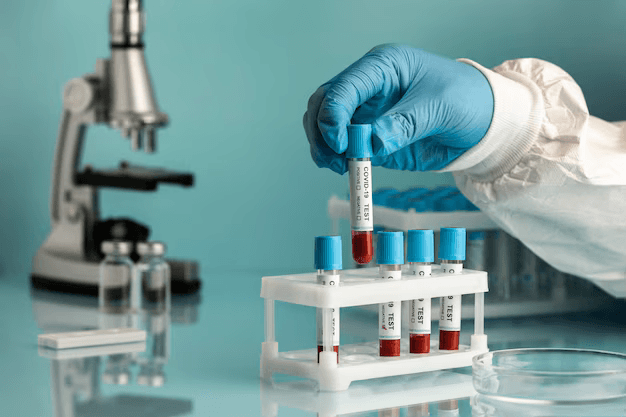
Taking control of your health begins with understanding what is happening inside your body, and laboratory testing is one of the most effective ways to gain that insight. Whether you are monitoring an existing medical condition, completing a routine wellness screening, or investigating new symptoms, blood tests provide valuable information that helps healthcare providers make informed decisions. Choosing a reliable laboratory ensures accurate results, timely reporting, and a smooth testing experience. Optimal Lab Test is committed to providing professional laboratory services that help individuals make proactive healthcare decisions with confidence through accurate, convenient, and efficient diagnostic testing.
Modern laboratory medicine plays a critical role in preventive healthcare. Many medical conditions, including diabetes, thyroid disorders, high cholesterol, vitamin deficiencies, hormone imbalances, infections, and liver or kidney disease, may develop without noticeable symptoms. Routine blood testing allows healthcare providers to identify potential concerns early, often before they become more serious or require extensive treatment.
Many people postpone laboratory testing because they are uncertain about the process or believe it is only necessary when they feel ill. In reality, preventive screening is one of the most valuable tools for maintaining long-term health. Regular blood work allows physicians to monitor changes over time, evaluate treatment effectiveness, and establish baseline values for future comparison.
Scheduling lab testing in Katy gives patients convenient access to professional diagnostic services that support early detection, preventive healthcare, and personalized treatment planning based on accurate laboratory results.
Why Laboratory Testing Is Important
Laboratory testing serves as one of the foundations of modern healthcare. Physicians rely on laboratory results to diagnose illnesses, monitor chronic conditions, evaluate treatment effectiveness, and identify health concerns before symptoms become severe.
Blood tests provide objective medical information that cannot be determined through physical examination alone. They measure important markers related to blood cells, organ function, metabolism, hormones, nutrients, immune response, and infections.
Routine laboratory testing also supports preventive medicine by identifying risk factors early, allowing individuals to make lifestyle changes or receive medical treatment before complications develop.
Regular testing empowers patients to participate actively in managing their overall health while supporting more informed medical decision-making.
Common Blood Tests You May Need
Healthcare providers recommend different laboratory tests depending on age, medical history, symptoms, family history, and preventive health goals.
A Complete Blood Count (CBC) evaluates red blood cells, white blood cells, hemoglobin, hematocrit, and platelets. Comprehensive Metabolic Panels (CMP) assess kidney function, liver function, blood glucose, electrolyte balance, and protein levels.
Lipid panels measure cholesterol and triglycerides to assess cardiovascular risk, while thyroid function tests evaluate hormone levels that influence metabolism and energy.
Additional laboratory tests may include diabetes screening, vitamin deficiency testing, hormone panels, allergy testing, inflammation markers, infectious disease screening, and specialized diagnostic evaluations tailored to individual healthcare needs.
Who Should Consider Routine Blood Testing?
Laboratory testing is beneficial for individuals of all ages, not just those experiencing illness. Preventive screening often identifies health concerns before noticeable symptoms develop.
Adults attending annual wellness examinations commonly undergo routine blood work to establish baseline health measurements and monitor changes over time. Individuals managing chronic medical conditions such as diabetes, high blood pressure, thyroid disorders, or kidney disease may require more frequent laboratory monitoring.
People with family histories of heart disease, certain cancers, autoimmune disorders, or metabolic conditions also benefit from regular screening based on physician recommendations.
Routine laboratory evaluation helps individuals maintain better awareness of their health while supporting early intervention when necessary.
How to Prepare Before Your Blood Test
Proper preparation helps improve testing accuracy while reducing the need for repeat laboratory visits. Preparation requirements vary according to the specific tests ordered.
Some blood tests require fasting for eight to twelve hours beforehand, while others can be performed without dietary restrictions. Your healthcare provider will explain whether fasting applies to your laboratory order.
Patients should remain well hydrated before blood collection because adequate hydration often makes veins easier to access. Inform laboratory staff about medications, supplements, recent illnesses, or medical conditions that could influence certain test results.
Following preparation instructions carefully helps ensure accurate laboratory measurements and reliable clinical interpretation.
What Happens During the Blood Collection Process?
Many individuals feel anxious before having blood drawn, especially if they have limited experience with laboratory testing. Understanding the procedure often reduces unnecessary concerns.
A trained phlebotomist begins by confirming patient information and reviewing the requested laboratory tests. The collection site, usually the inside of the elbow, is cleaned before a sterile needle is used to collect one or more blood samples.
Most blood draws require only a few minutes to complete. Patients typically experience only mild discomfort during needle insertion.
After collection, pressure is applied to the puncture site before a bandage is placed. Most individuals can immediately resume normal daily activities unless instructed otherwise.
Understanding Your Laboratory Results
Receiving laboratory results is an important part of the testing process, but interpreting those numbers requires professional medical evaluation.
Each laboratory provides reference ranges that indicate expected values for healthy individuals. However, results outside those ranges do not always indicate disease, and values within normal ranges do not always exclude medical conditions.
Healthcare providers interpret laboratory findings alongside medical history, physical examination, symptoms, medications, age, and other diagnostic information.
Patients should discuss abnormal or unexpected results directly with their healthcare provider rather than attempting self-diagnosis using online resources.
Additional Preventive Health Screenings
Laboratory testing extends beyond routine blood work. Many individuals benefit from comprehensive preventive screening based on age, lifestyle, travel history, occupation, or personal healthcare goals.
Depending on physician recommendations and individual risk factors, laboratory providers may also offer services such as std testing, hormone evaluations, allergy testing, vitamin deficiency panels, food sensitivity testing, and infectious disease screening. These specialized services complement routine laboratory evaluations while supporting proactive healthcare management.
Combining preventive laboratory services during scheduled appointments often improves convenience and helps patients develop more comprehensive understandings of their overall health.
Regular preventive screening contributes to early detection, timely treatment, and improved long-term health outcomes.
Choosing a Reliable Laboratory in Katy
Selecting a trusted diagnostic laboratory plays a significant role in obtaining accurate results and receiving a positive patient experience.
Accredited laboratories follow rigorous quality assurance standards, maintain advanced testing equipment, and employ highly trained laboratory professionals who prioritize accuracy throughout every stage of specimen collection and analysis.
Convenient appointment scheduling, short wait times, knowledgeable staff, secure reporting systems, and timely result delivery also contribute to patient satisfaction.
Working with an experienced laboratory provider helps ensure reliable testing while supporting informed healthcare decisions.
Benefits of Regular Preventive Laboratory Testing
Preventive laboratory testing offers substantial long-term benefits by identifying health concerns before symptoms become severe. Early diagnosis often leads to more effective treatment while reducing future healthcare costs.
Routine monitoring allows physicians to evaluate disease progression, assess medication effectiveness, detect nutritional deficiencies, monitor hormone balance, and identify developing medical conditions that may otherwise remain unnoticed.
Laboratory testing also provides valuable baseline measurements that assist healthcare providers in recognizing future changes more accurately.
Maintaining a consistent preventive testing schedule supports healthier aging while encouraging greater personal involvement in healthcare decisions.
Conclusion
Laboratory testing is an essential part of preventive healthcare, helping individuals better understand their health while supporting early diagnosis, disease monitoring, and personalized medical care. Whether you are completing routine wellness screening, investigating new symptoms, or managing an ongoing medical condition, accurate laboratory testing provides valuable information that guides informed healthcare decisions. Preparing properly, choosing an experienced laboratory, and reviewing results with a qualified healthcare provider all contribute to the greatest benefit from diagnostic testing. Optimal Lab Test is dedicated to delivering reliable laboratory services, professional patient care, and accurate results that help individuals take a proactive approach to lifelong health and wellness.
Contact us today to schedule your appointment for professional lab testing in Katy and experience accurate, convenient, and dependable diagnostic services tailored to your healthcare needs.
Frequently Asked Questions (FAQs)
1. Why is lab testing important for preventive healthcare?
Laboratory testing helps detect medical conditions early, monitor ongoing health concerns, evaluate treatment effectiveness, and provide valuable information that supports informed healthcare decisions before symptoms become serious.
2. Do I need to fast before every blood test?
No. Some laboratory tests require fasting, while many others do not. Your healthcare provider or laboratory will provide specific preparation instructions based on the tests ordered.
3. How long does it take to receive blood test results?
Result turnaround times vary depending on the specific laboratory tests performed. Many routine blood tests are available within one to three business days, while specialized testing may require additional time.
4. Can I schedule lab testing without feeling sick?
Yes. Routine wellness screening and preventive laboratory testing are recommended for many healthy adults to monitor overall health, identify risk factors, and establish baseline laboratory values.
5. What should I do if my laboratory results are abnormal?
Abnormal results should always be discussed with your healthcare provider. They will interpret the findings within the context of your medical history, symptoms, medications, and any additional testing that may be necessary.